
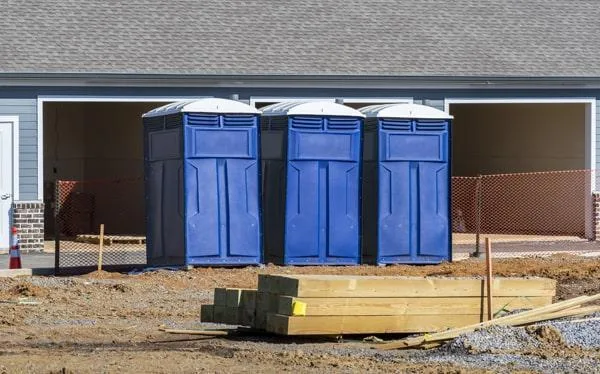
Build the initial equipment schedule around the work
A self-contained standard cabin is a practical starting point for many worksites because it provides an enclosed toilet and holds waste for servicing. It is not the same as a plumbed bathroom, and a basin should not be assumed. Discuss separate handwashing and any accessible facility requirements alongside the toilet order.
Explain the highest number of people expected on site at one time, the shifts and working days. Include subcontractors and anyone who remains for extended periods rather than relying only on the principal crew's headcount. Existing indoor toilets should count in the discussion only if workers are actually allowed to use them and they remain available during the relevant phase.
Separate a known programme from uncertain dates
Identify the planned start and finish, then point out any milestones that could change the requirement: a bathroom shutdown, another trade arriving or the work area moving. The rental team can discuss which arrangement fits that programme without treating an estimated finish as a guaranteed collection date.
A longer project needs a clear method for agreeing extensions. Ask how changes to the rental period, unit quantity or service schedule are confirmed, and have the responsible contact make those requests before the existing arrangement expires. Do not assume that an unanswered message changes the booking.
Specify the care needed to sustain use
Waste pumping, cleaning and replenishment are distinct parts of caring for portable equipment. Agree what the scheduled visit includes, what toilet paper or washing supplies are supplied and who checks them between visits. Higher use or a longer working week can change the care discussion even if the number of cabins stays the same.
Keep the service position and approach available throughout the project. If materials are stacked in front of the units or the entrance is locked, the planned visit may not be possible. Tell the rental team promptly about heavy use, damage or a missed visit so the next action can be agreed rather than leaving the crew with unusable facilities.
- Name a site contact for routine checks and service access.
- Include wash-station water, soap, towels and wastewater care where applicable.
- Review the arrangement when crew numbers or working patterns change.
Plan relocation as a separate job
Place units where workers can reach them without crossing active vehicle routes, but do not forget how they will be delivered and serviced. Show the proposed position, gates, ground conditions and overhead obstacles before arrival. The cabin's footprint is only one part of the space needed.
If the next construction phase occupies that area, discuss the move before work reaches it. Do not tow, lift or reposition a toilet with site machinery on your own. Agree a new usable position and any supplier work required, including the effect on access and the quotation.
Close out the order deliberately
Review equipment hire, agreed dates, delivery and collection, scheduled servicing and any potential additional work in the written quote. Confirm who may approve changes. This makes it easier to distinguish the original scope from later requests when the programme shifts.
When the site no longer needs the equipment, request removal and retain the agreed collection access. Keep the units reachable after fences, skips or plant are moved for demobilisation. The final workday does not by itself confirm a supplier pickup.
Questions before you book
Can I begin with fewer units and add more later?
Describe the likely phases at the outset. Later quantities can be discussed, but availability, timing and any extra work need agreement; an initial order does not reserve all possible additions.
Is servicing automatically the same on every construction hire?
No. The scope should reflect actual use, working days, equipment and access. Ask what the agreed visits include and how a change is requested.
Do we need portable toilets once the building bathrooms open?
Check whether those bathrooms are usable and available to the whole crew during the remaining work. Confirm that change before ending the temporary rental.