
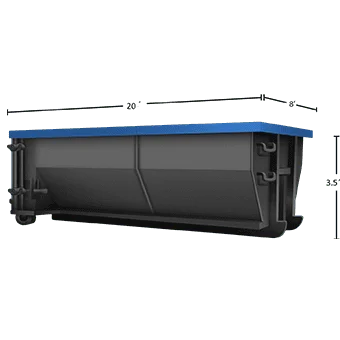
Describe the contents before selecting a container
A temporary dumpster gathers approved waste in one place until collection. Its volume describes space, while a weight allowance describes the permitted load under the rental agreement. Bulky furniture can use space differently from dense debris; choosing only from a photograph or container label can miss that distinction.
List the main material groups and identify anything unusual before booking. Mixed waste, appliances, liquids, chemicals and other restricted items require specific instructions from the provider. Do not put uncertain material in first and ask about disposal afterward.
- Describe the project: cleanout, renovation or another specific task.
- Estimate the amount and say whether it will arrive all at once or in stages.
- Identify heavy or questionable materials separately.
Make the loading area workable
Choose a proposed standing area with firm support and a delivery approach the provider can assess. Consider the truck’s movement, overhead obstacles, gates and any door-opening arrangement. The space needed to position a container is not limited to the rectangle it occupies after delivery.
Plan where people will bring debris without crossing active machinery or blocking exits. Discuss surface protection with the provider and property owner; it should not be assumed included. If the proposed position affects public space or shared access, resolve the relevant property or authority permission before scheduling.
Keep the load and the pickup within the agreement
Confirm accepted materials, the applicable fill limit and weight terms for the offered container. Keep loads within those instructions and do not leave objects protruding above or beyond the permitted area. A container that can be filled physically is not necessarily ready to transport safely.
Match the rental period to the work sequence, including any pause before loading starts. Tell the provider if the project changes, more capacity is needed or an extension is likely. Preserve the truck approach for collection; parked vehicles, new scaffolding or stored supplies can make a previously usable position inaccessible.
Compare the complete dumpster quote
Ask the proposal to state the container, accepted waste, included period, delivery and pickup arrangements, weight allowance and applicable additional-charge conditions. Changes in duration, material, load or access can affect the final arrangement; review the terms rather than assume all services are bundled.
Use the dumpster option when calling or requesting a quote so the enquiry goes to the correct service. Toilets and washing can be discussed for the same project, but their equipment, care and collection requirements should remain distinct in the agreed scope.
Questions before you book
Is container volume the same as the allowed weight?
No. Volume is the space available; the accepted weight and material terms are separate parts of the order. Explain heavy materials before choosing a size.
Can all household or renovation waste be mixed together?
Do not assume that. Identify the materials and ask for the offered service’s acceptance and disposal instructions, especially for liquids, chemicals, appliances or other unusual items.
Can the rental period be extended?
Ask before the agreed end date and have the revised period and any applicable terms confirmed. An extension is not automatic merely because the container remains on the property.